


Introduction
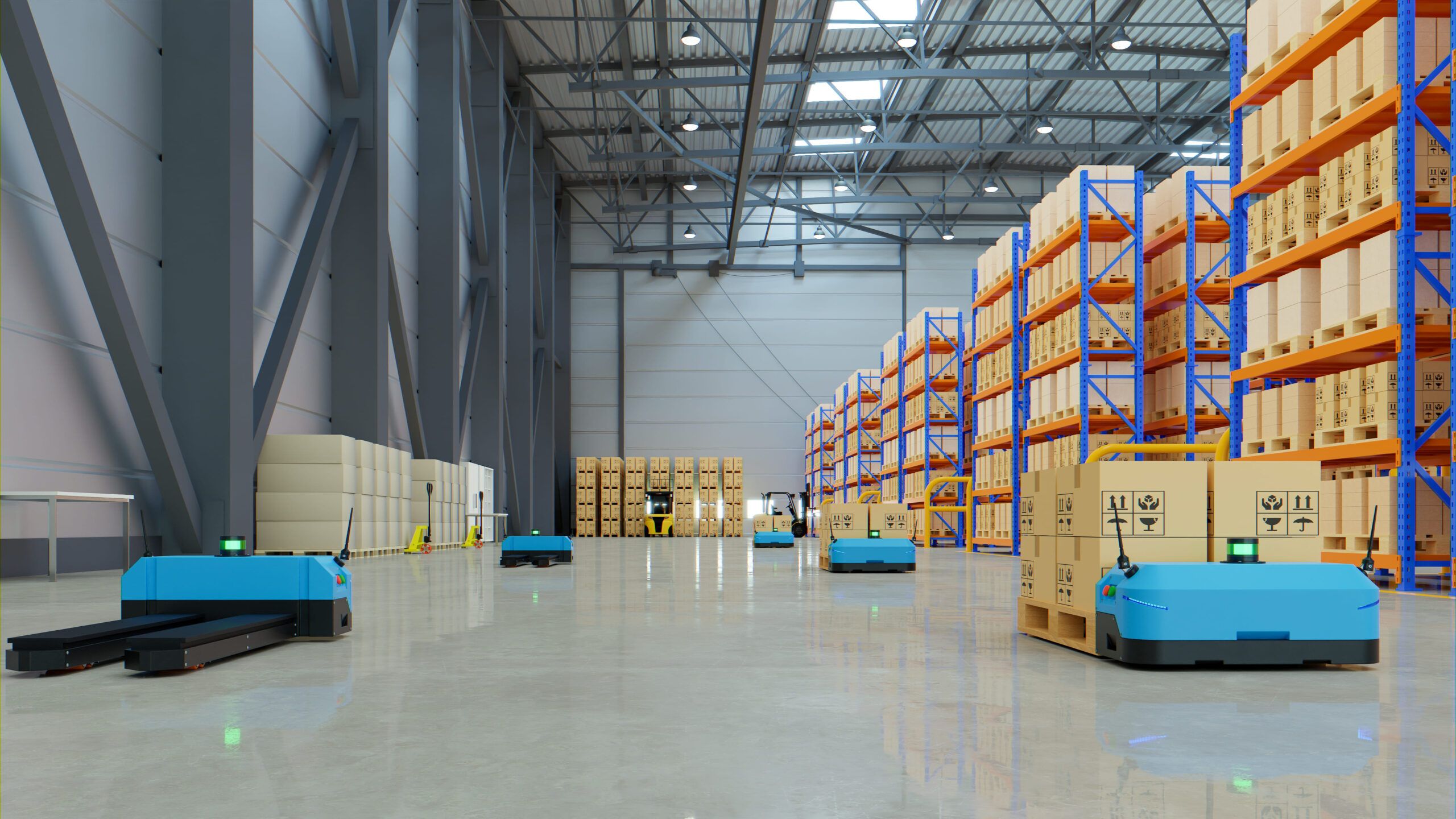
For years, logistics real estate has been one of the largely overlooked areas of the urban debate in Alicante and its province. Traditionally relegated to the outskirts and conceived as a strictly functional land use, its role in the economic and territorial development of the metropolitan area has been underestimated. However, the recent growth in logistics and business activity shows that these spaces not only reflect the economic cycle, but also anticipate and shape it, particularly in dynamic areas such as Alicante.
Alicante and Its Province Are Strategically Positioned
The province occupies a strategic position within the Mediterranean corridor. Its port, airport and road connectivity, together with an increasingly distribution-, light industry- and advanced services-oriented business base, has turned business and logistics parks into key economic infrastructure. Each phase of economic growth translates into immediate pressure on this type of land, with the rapid absorption of available plots and growing demand for well-connected, versatile spaces.
During expansionary phases, the same pattern is repeated: increased activity, the arrival of new companies, and the need to expand facilities and ancillary services. However, when urban planning has failed to anticipate this evolution, business parks develop in a fragmented and single-use manner. The result is a rigid model, poorly adapted to new production dynamics and vulnerable to changes in the economic cycle.
During periods of economic slowdown, logistics real estate proves more resilient than other property uses, but its structural shortcomings also become more apparent. The lack of complementary services, poor-quality urban environments and complete dependence on private vehicles reduce the competitiveness of these areas and make it more difficult for them to adapt to new demands. In a context of increasingly shorter and more intense economic cycles, this rigidity becomes a significant constraint.
Modern Logistics Is About More Than Warehousing
This is compounded by a profound change in the way we work and produce. Modern logistics is not merely about warehousing; it involves flow management, technology, specialized employment and the constant presence of suppliers, customers and mobile workers. Against this backdrop, it is becoming increasingly unsustainable to maintain business parks—such as the one planned for further development along the Alicante-Elche corridor—where complementary uses such as hotels, temporary accommodation, restaurants and basic leisure facilities are either prohibited or restricted. These activities are no longer ancillary: they are part of the productive ecosystem.
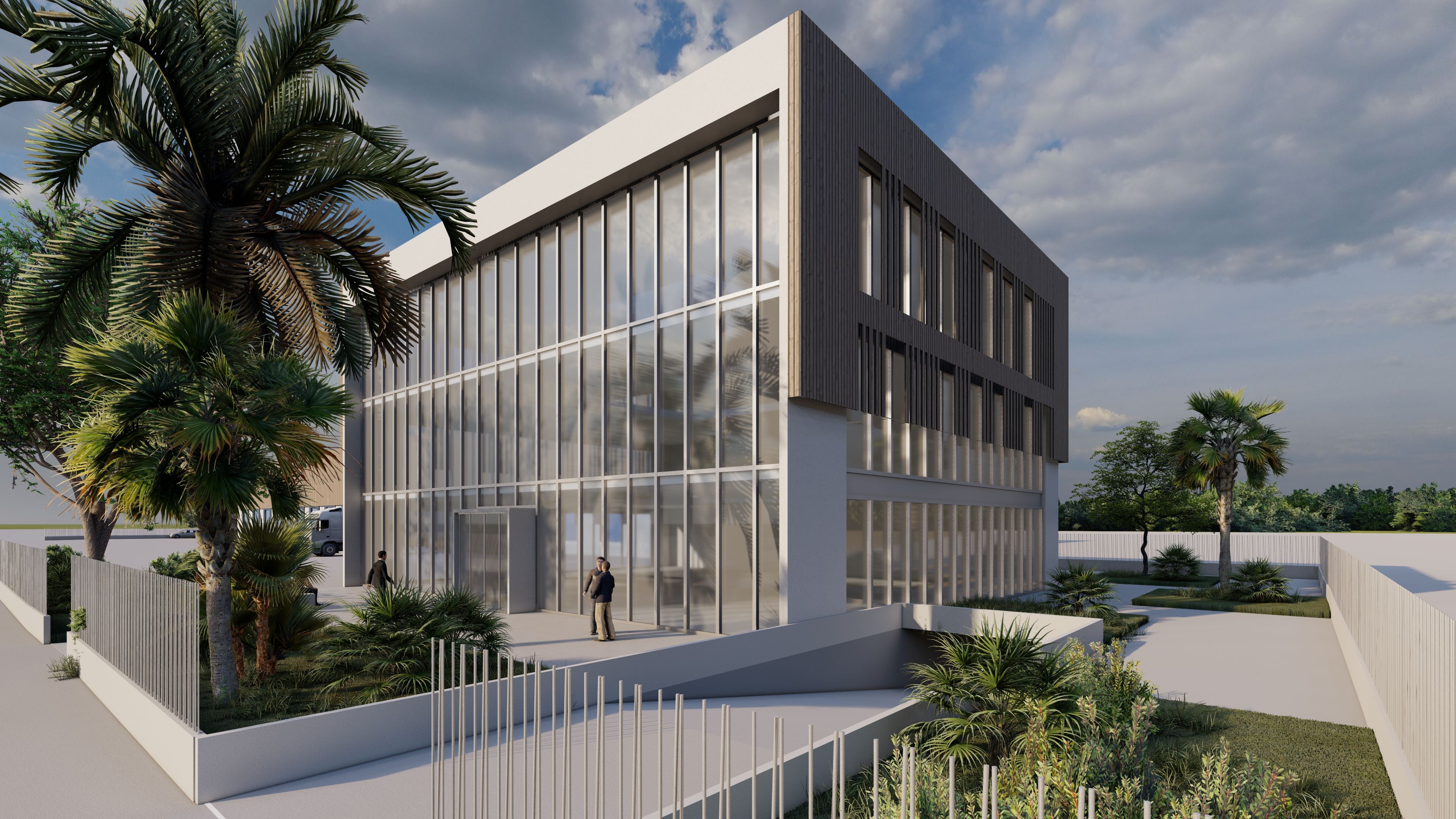
In Alicante, many business and logistics areas remain subject to regulations that strictly separate different land uses, preventing the introduction of services that would improve both economic efficiency and urban quality. The lack of hotels makes it more difficult to attract clients and suppliers. The shortage of temporary accommodation limits labour mobility and the ability to attract talent. The absence of restaurants and social spaces diminishes the daily experience of thousands of workers and reduces the attractiveness of these environments.
From a cyclical perspective, this rigidity acts as an amplifier of economic imbalances. During periods of growth, it creates bottlenecks and drives up land prices. During periods of adjustment, it hinders the conversion and reuse of spaces. Rather than cushioning the economic cycle, planning ultimately intensifies it.
Conclusion
Alicante needs to move towards a model of more flexible, mixed-use and urban business and logistics parks, capable of integrating productive activity with complementary services. The aim is not to dilute the economic function of these areas, but to strengthen it through a greater diversity of uses that makes them more resilient to changes in the economic cycle. Experience in other regions shows that business environments incorporating accommodation, restaurants and moderate leisure facilities are more competitive, retain employment more effectively and adapt more rapidly to economic transformations.
Logistics real estate must no longer be regarded as an isolated land use, but rather as a central component of the province's territorial strategy. Recognising its role as a barometer of the economic cycle and providing it with a more flexible regulatory framework are essential if Alicante is to remain an attractive, efficient territory that is prepared for the economic cycles ahead.
ACERCA DE CMC
El objetivo principal de CMC es ofrecer una gestión integral en sus dos vertientes principales: asset management y property management. Esto incluye la formulación de estrategias a medio y largo plazo para la optimización de activos inmobiliarios, así como la gestión operativa diaria. Esta última abarca tanto el control de ingresos y la atención al cliente como la supervisión de los gastos operativos.
En resumen, CMC ofrece asesoramiento especializado en inversiones y finanzas para aquellos interesados en comprar, vender o invertir en propiedades. Su enfoque se basa en investigaciones y análisis rigurosos que garantizan la viabilidad económica y financiera de cada proyecto.
Para más información puede ponerse en contacto con nosotros clicando aquí